Story · October 20, 2026 · 8 min read
La Malinche Volcano: A Hiker’s Story of Forest, Altitude and Preparation
On La Malinche, pine forest gives way to open alpine slopes, and a summit ambition becomes a lesson in preparation. A composite hiker explores the questions behind this high-altitude outing in Tlaxcala / Puebla.
I first searched for “La Malinche volcano” with a summit already occupying most of my imagination. I wanted the photograph, certainly, but also the private satisfaction of following through on an intention. In this story, I am a composite hiker, an imagined voice rather than a customer testimonial or a record of a particular departure. My journey begins with something less dramatic than climbing: learning which questions a mountain description can answer, and which ones need a conversation. The name had drawn me in. The pine forest and open alpine slopes kept me interested. Preparation would have to connect those images to an actual decision.
What is La Malinche, and what makes this hike distinctive?
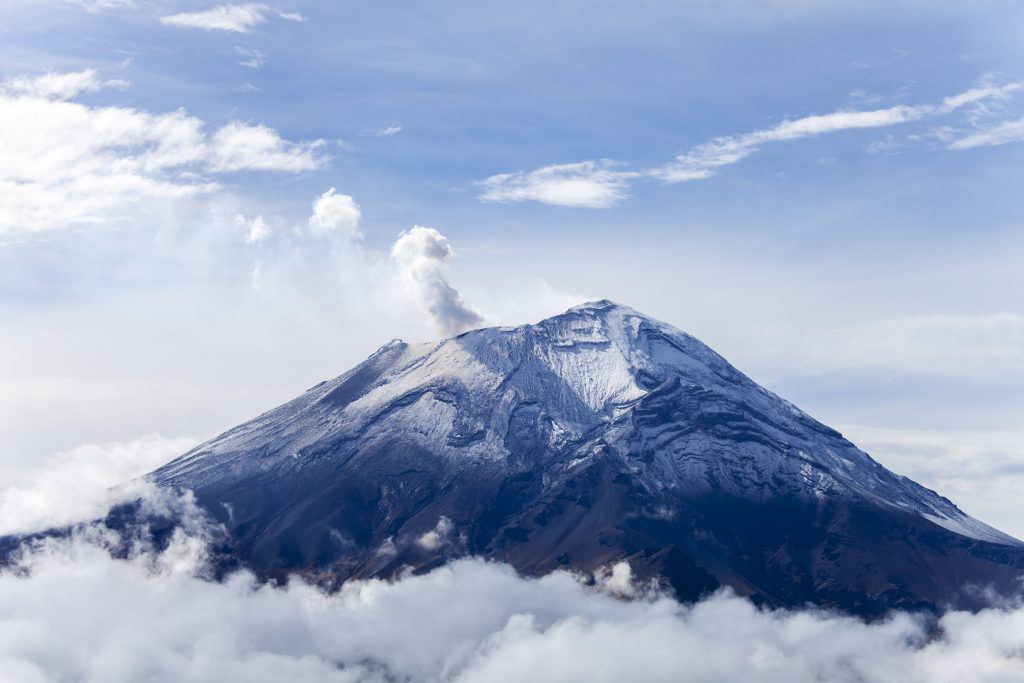
Backpacking Mexico lists La Malinche Summit in Tlaxcala / Puebla, with a maximum altitude of 4,460 meters. Its description is spare but evocative: a classic acclimatization peak, with pine forest giving way to open alpine slopes. That transition becomes the center of my imagined walk. Among the pines, I picture my attention moving between individual trunks; on the open slopes, it has room to travel outward. I do not need to furnish that change with an invented viewpoint or a promised panorama. The landscape described in the catalogue already offers a compelling contrast: enclosure and exposure, trees and open mountain.
How difficult is La Malinche?
My first instinct is to translate “classic” into “manageable for me.” Then I catch myself. A familiar mountain name is not a personal assessment, and an acclimatization outing is not automatically an easy outing. The catalogue does not assign La Malinche Summit a difficulty rating, distance or duration. Those omissions leave important questions open; they do not invite me to fill the gaps with optimism. Before arranging a hike, I would describe my recent walking experience to Backpacking Mexico and ask how it compares with the proposed outing. Saying what I have actually done seems more useful than saying how determined I feel.
In the story I tell myself about climbing, effort used to be a simple contest between wanting to stop and refusing to stop. La Malinche gives me a better subject to consider: judgment. I imagine moving from the pine forest toward the open slopes without treating every decision as a test of character. What would the guide expect from me? How would the group discuss its pace and objectives? What information should I share before setting out? These are questions, not claims about a particular itinerary. They shift my attention away from performing toughness and toward understanding the hike I am asking to join.
I had searched for a summit. What I needed first was a more honest conversation about the climb.
How do you get there, and what logistics need confirming?
The regional answer is Tlaxcala / Puebla. The practical answer requires more information. The catalogue does not identify a meeting point, access route, trailhead or transport arrangement for La Malinche Summit, so I would not build a departure plan around any of those assumptions. Instead, I would ask Backpacking Mexico where the proposed outing begins, how I should reach that location, and which transfers, if any, are included. It is a modest exchange compared with the mountain scenes in my imagination. Yet the thought of arriving with clear instructions feels more valuable than possessing a confident but unsupported set of directions.
I would also ask for the expected walking duration, distance and overall schedule of the specific plan being discussed. None is published in the supplied catalogue entry. A maximum altitude cannot tell me when to leave home, how to arrange the rest of my trip or what commitments to avoid afterward. In my notebook, the practical questions sit beside the reasons I want to go. That pairing matters: desire on one side, information on the other. I want the pines and the open slopes, but I also want to know exactly what arrangement I am agreeing to before turning an appealing description into a booking.
What should you bring?
Packing is where my enthusiasm becomes tangible. I imagine laying out a backpack and resisting the urge to declare it ready simply because it looks like hiking equipment. The catalogue does not provide a La Malinche packing list, so my first task would be to request one for the proposed outing. I would ask about footwear, clothing layers, weather protection, food, water and any required specialist equipment. These are categories to clarify, not a substitute for instructions. I would also ask what the company supplies and what remains my responsibility, rather than letting a photograph of a guided hike answer that question for me.
There is a personal inventory to make alongside the equipment inventory. Which items have I used before? What am I borrowing without knowing whether it fits? Which uncertainty am I postponing because asking about it feels embarrassingly basic? In this imagined preparation, I send the questions rather than hiding them. I do not assign an unsupported water quantity or pretend that one clothing list applies to every departure. What I want is a clear, agreed checklist, with enough time to understand it. The backpack then becomes less a symbol of readiness and more a record of decisions I have actually made.
What does the altitude mean for acclimatization?
The number I keep returning to is 4,460 meters, the maximum altitude listed for La Malinche Summit. It gives the invitation a scale that the word “walk” alone cannot convey. The catalogue calls this a classic acclimatization peak, but it provides no individual acclimatization schedule, and I would not turn that description into one. Before making plans, I would explain my recent experience at altitude and ask what preparation the team recommends for the proposed hike. If I had personal medical concerns, I would seek qualified medical advice rather than expecting a travel description to resolve them. The number deserves questions, not bravado.
I picture the forest giving way to the open alpine slopes and notice how quickly my imagination tries to turn that transition into progress toward a prize. I want to interrupt that habit. Acclimatization, in the context of this catalogue, is a reason people consider the mountain, not a promise about how my body will respond or a certificate for another objective. I would ask how the guide wants participants to communicate concerns and how decisions about continuing are made. My role would not be to manufacture confidence. It would be to share accurate information and understand the expectations before beginning.
What is the best season to climb La Malinche?
I would like a neat answer: a season underlined in my notebook, the planning finished. The catalogue offers no recommended months, seasonal conditions or operating calendar for La Malinche Summit. That means this story cannot honestly name a best season. I would ask Backpacking Mexico which timing they recommend for the outing under discussion and what information informs that recommendation. I would also ask when conditions are reviewed and how any changes would be communicated. A calendar can hold my intention, but it cannot supply missing evidence. Choosing when to go should be a conversation about a real plan, not a borrowed certainty.
What remains vivid without a seasonal promise is the mountain's described change of setting. Pine forest, then open alpine slopes: I return to that sequence because it leaves room for curiosity without pretending to forecast the day. I do not attach a guaranteed sky, a particular temperature or a prescribed departure hour to it. In my imagined walk, the pleasure comes partly from paying attention instead of comparing everything with a picture I have brought along. Before the walk becomes real, however, I still need practical answers. Wonder and verification are not opposing habits; I want to bring both to the same mountain.
Frequently asked questions: beginners, timing and the summit
Can a beginner join? The catalogue does not establish beginner suitability, so I would ask for an assessment rather than give a blanket yes. How long is the hike, and how far does it go? Duration and distance are unspecified and need confirmation for the proposed itinerary. Does the name La Malinche Summit promise that I will stand at the top? I would not read a trip name as a guaranteed outcome. What is actually established? The Tlaxcala / Puebla location, the listed maximum altitude of 4,460 meters, and the description of pine forest transitioning to open alpine slopes on a classic acclimatization peak.
By the end of this imagined journey, my original search has become a better set of questions. I still want to walk among the pines and see the landscape open beyond them. I still understand the pull of a summit. But I no longer need to disguise missing information as confidence in order to keep that desire alive. If La Malinche calls to you, ask Backpacking Mexico about La Malinche Summit, share your experience and request the details that matter to your decision. That is where I would begin: not with a claim about what I will conquer, but with an honest account of what I hope to learn.
The hikers in our stories are composite characters, but every route detail, time and condition comes from the real trails we guide.