Story · October 16, 2026 · 6 min read
The Bridge: Climbing La Malinche Before the Big Volcanoes
Pine forest at dawn, a brutal final 500 meters and a summit crater in the clouds — a day of effort and perspective, not a test of readiness for another mountain.
Lucía and her brother Andrés had a plan, and La Malinche was step one. In ten days they wanted to stand on Pico de Orizaba. Today they wanted an honest answer to a simpler question: could their bodies handle 4,000 meters for hours at a time?
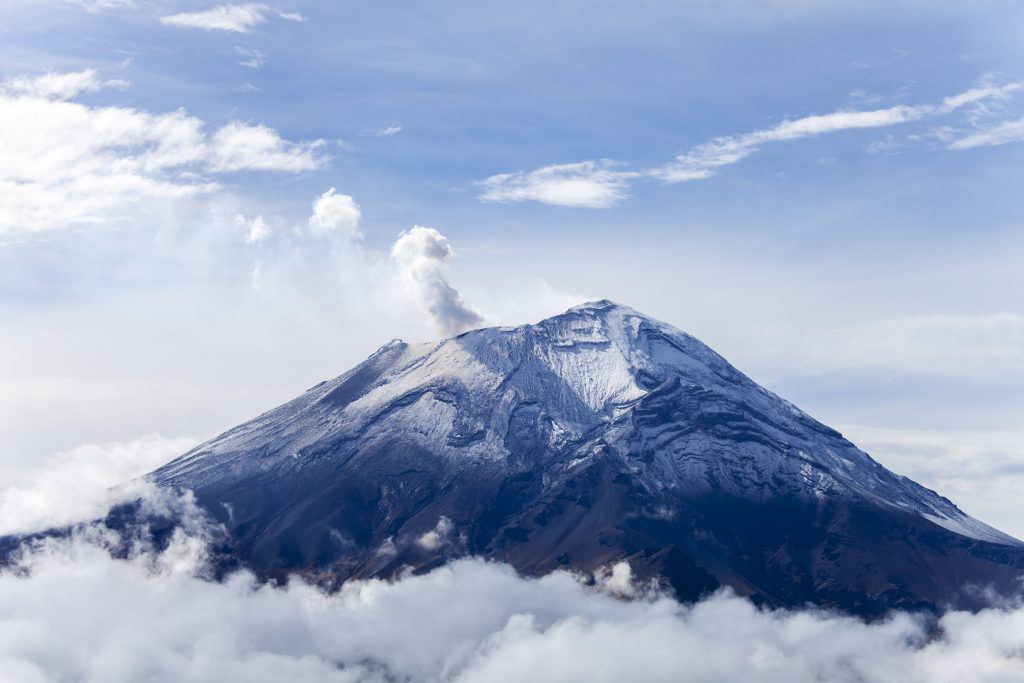
They left Mexico City at five, still dark, coffee steaming in paper cups, and drove east toward Tlaxcala while the sky lightened behind the silhouette they had come for. Matlalcueye — ‘she of the blue skirt’ in Nahuatl — is a broad, generous-looking volcano from a distance. Up close, at the Centro Vacacional Malintzi trailhead at 3,300 meters, she smelled of pine resin and wood smoke.
The easy hours
The first two hours were the kind of hiking people dream about. A well-worn trail through tall pines, sunlight slanting between the trunks, frost melting off the grass. Their guide set a pace that felt almost insultingly slow. ‘Trust it,’ he said. ‘The mountain starts at the treeline.’
He was right. At around 3,900 meters the forest thinned abruptly and the summit appeared, a long, steep, grey-brown slope rising into cloud. The trail straightened and steepened. Andrés stopped talking. Lucía started counting.
Two steps up, slide back one
The final 500 meters of La Malinche are loose volcanic rock and sand. Every step up seems to carry a small step back. The air is noticeably thinner; conversation becomes an extravagance. Lucía felt a dull headache arrive behind her eyes and told the guide, as they’d been asked to. He checked on her, made her drink and eat, slowed the pace further, and they kept going.
“This is the test,” the guide said. “Not whether you reach the top fast. Whether you reach it and still feel like yourself.”
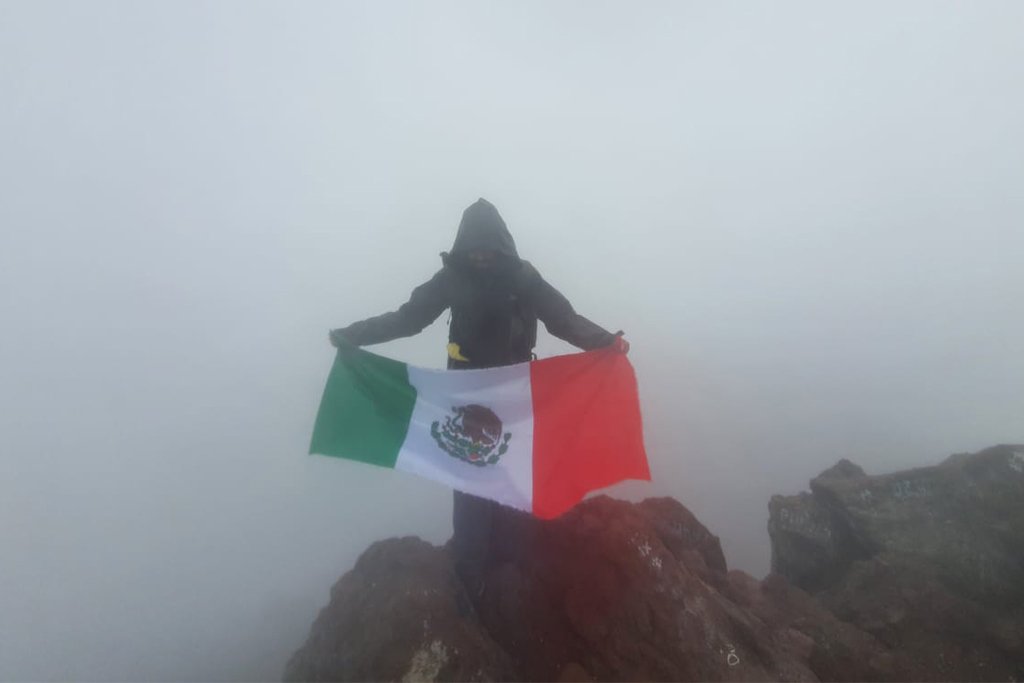
At half past twelve they stepped onto the summit crater at 4,461 meters, into a cold, wet cloud that turned their world white. No view of Orizaba that day, no Popocatépetl. Just the wind, a flag someone else had carried up snapping in the grey, and the absurd, undeniable joy of having arrived.
The knees remember
The descent was where Andrés suffered. ‘Coming down is harder on the knees than going up is on the lungs,’ the guide had warned, and two hours of loose rock and forest trail proved it. Trekking poles did real work. Back at the trailhead, a meal of Tlaxcalan food tasted like a victory banquet.
That evening, back in the city, they had their answer — and it was more nuanced than yes. Lucía had felt strong, headache aside; Andrés had struggled on the final slope. Their guide’s advice was straightforward: rest a day, add Nevado de Toluca or Iztaccíhuatl, then decide on Orizaba. It’s exactly what La Malinche is for. It’s the bridge.
The hikers in our stories are composite characters, but every route detail, time and condition comes from the real trails we guide.