Story · October 16, 2026 · 7 min read
A Night on the Sleeping Woman
Midnight headlamps, a ridge shaped like a body, and sunrise at 5,000 meters: following one climber up Iztaccíhuatl.
The alarm on Maya’s watch went off at midnight, though nobody in the tent at La Joya had really slept. At 3,930 meters the air had been thin enough all evening to make every thought feel slightly slower, and outside the wind was combing through the grass with a sound like distant surf. She pulled on a second base layer by the light of her headlamp, laced her boots, and stepped into a cold so complete it seemed to have weight.
Above her, invisible except as an absence of stars, lay Iztaccíhuatl — the Sleeping Woman. From Mexico City, Maya had seen her silhouette a week earlier from a rooftop in Roma Norte: a long white figure reclining beside the smoking cone of Popocatépetl. Legend says the warrior Popoca still keeps watch over her. Tonight Maya would walk along her body, from the feet to the knees, across the belly to the chest.
The approach
The day before had been gentle by design. Pickup in the city, lunch in Amecameca, a stop at Paso de Cortés where the two volcanoes face each other across the pass. By mid-afternoon the group had settled into camp at La Joya and walked slowly uphill toward 4,300 meters, not to get anywhere, but to let their bodies notice the altitude. ‘Climb high, sleep low,’ their guide said, and turned them around while everyone still felt fine.
Dinner was early and briefing was blunt: a long night, loose rock in the dark, snow higher up, and a turnaround time that would be respected whatever the summit looked like. Maya liked that. It made the mountain feel honest.
Into the dark
By 00:45 they were moving: a short string of headlamps climbing through Los Portillos, each light rising and falling with its owner’s breathing. There is a particular intimacy to climbing at night. The world shrinks to a circle of gravel, the boots ahead of you, the sound of your own lungs. Maya stopped looking up. She counted steps in sets of fifty and drank whenever the guide called a pause.
“You don’t climb Izta with your legs,” the guide told her near the knees. “You climb it with your patience.”
Around four in the morning the trail turned into rock and the rock turned into scrambling — hands on cold stone, a step up, a breath, another step. Then the first refuge huts, then snow crunching under crampons, and somewhere around six, a thin blue line along the eastern horizon.
The belly, the chest, the light
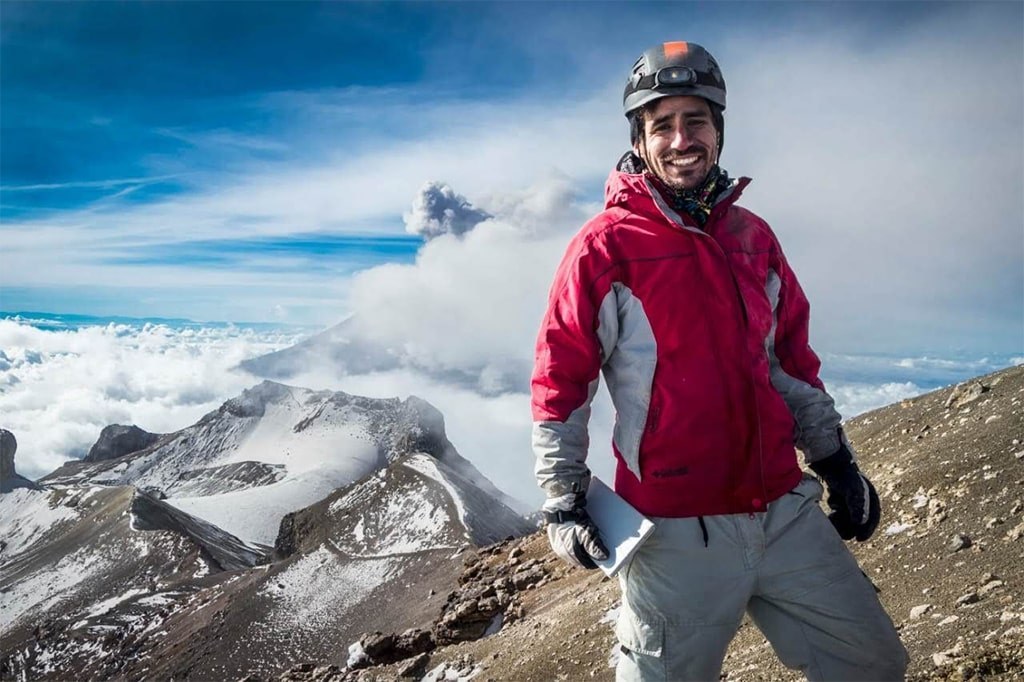
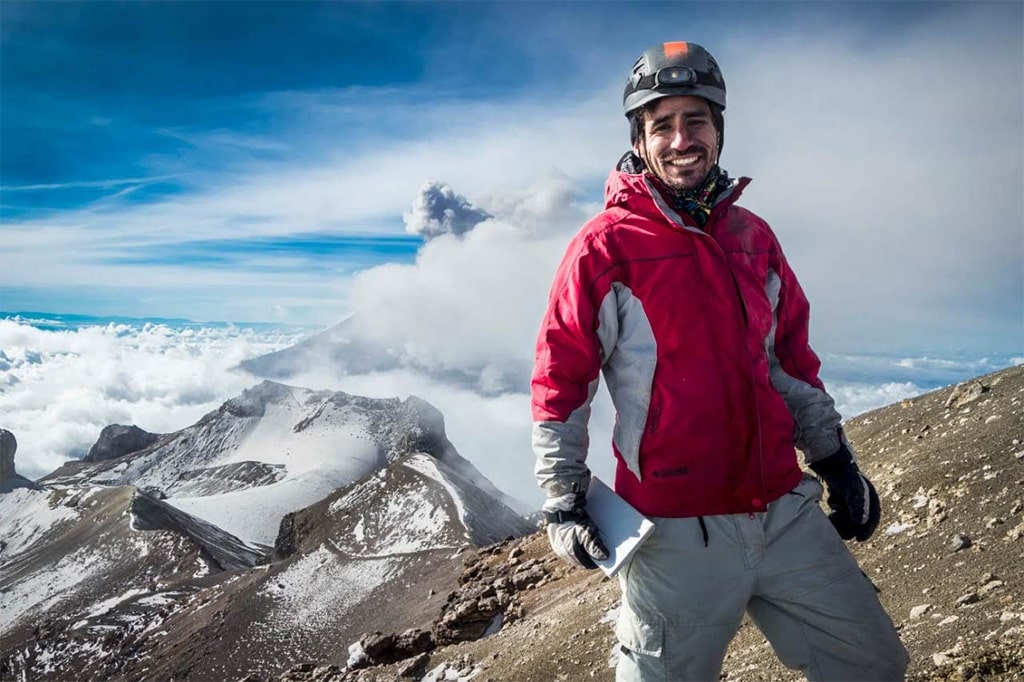
Dawn on Iztaccíhuatl doesn’t arrive so much as spread. The blue line went orange, then gold, and suddenly Maya could see what she had been walking on: a vast white ridge running north, cloud filling the valleys below like milk in a bowl, and to the south Popocatépetl exhaling a slow plume into the sunrise. Far to the east, impossibly high, the snow cone of Pico de Orizaba caught the light first.
The last stretch across the belly toward the chest — El Pecho, the true summit at 5,230 meters — was the hardest hour of her life and the slowest. Every ten steps she stopped. The guide stopped with her. When she reached the top a little after eight-thirty, she didn’t cheer. She sat down on the snow and cried, quietly, with the kind of relief that has nothing to do with sadness.
The long way home
Nobody warns you enough about the descent. The same rock that was a staircase in the dark is a minefield of loose stones in daylight, and tired legs make bad decisions. Back at La Joya by early afternoon, Maya drank two liters of water, ate everything offered to her in Amecameca, and slept the whole drive back to the city. At eight that night she was standing in a hot shower, still feeling the mountain in her knees, already wondering about Orizaba.
The hikers in our stories are composite characters, but every route detail, time and condition comes from the real trails we guide.