Guide · November 10, 2026 · 8 min read
Mexico City Mountains: How to Choose and Prepare for Your Hike
Explore Mexico City mountains through three different hiking goals: Ajusco’s summit, Montaña Fantasma’s sunrise, and the crater lakes of Nevado de Toluca. Here’s how to choose your route, ask the right logistical questions, and prepare without confusing a beautiful destination with an easy walk.
A forested summit, a skyline watched at sunrise, two lakes inside a volcanic crater: searching for Mexico City mountains opens the door to very different kinds of walking. The useful question is not simply which mountain looks most impressive. It is what you want to experience, how you respond to altitude, and what the proposed outing actually involves. Ajusco, Montaña Fantasma, and Lagunas del Sol y la Luna offer three distinct starting points. Read their landscapes as invitations rather than promises: a summit goal, a sunrise-focused ascent, and a lake-focused route each ask you to plan around a different priority.
What are the Mexico City mountains you can explore?
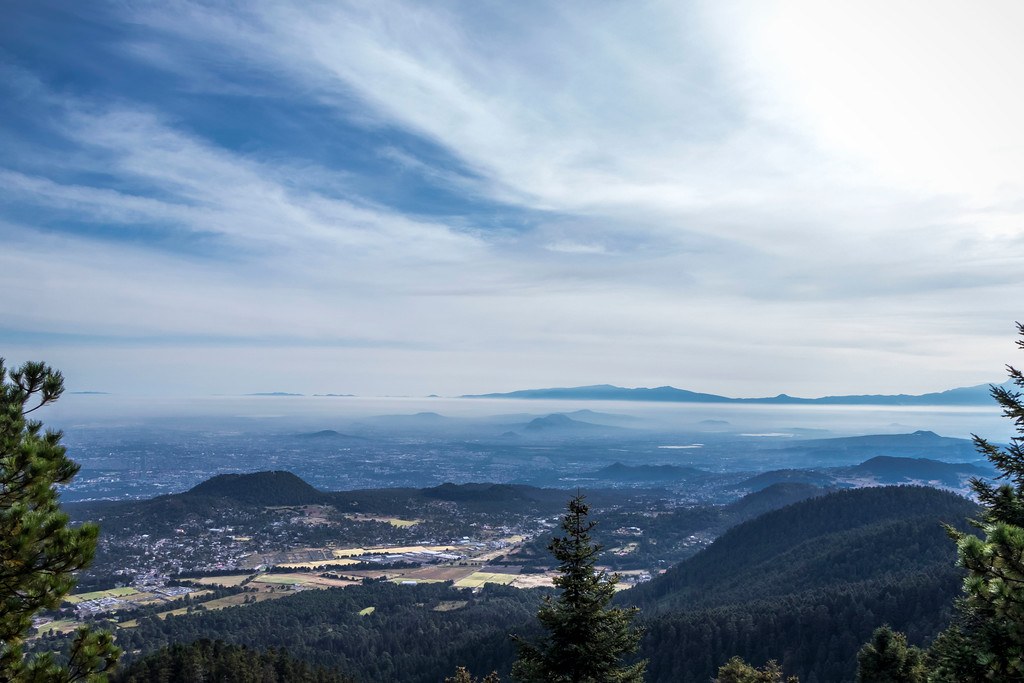
Start by separating mountains within Mexico City from outings in the wider region. Ajusco belongs to Mexico City and is described in Backpacking Mexico’s catalogue as its highest point: a forested summit hike close to the capital, with a listed maximum altitude of 3,930 meters. It is also the only one of these three trips explicitly described as a day hike. Those details make it a clear option to discuss if your aim is a summit outing associated directly with the city. They do not establish the walking distance, elevation gain, departure time, or how strenuous your particular itinerary will be.
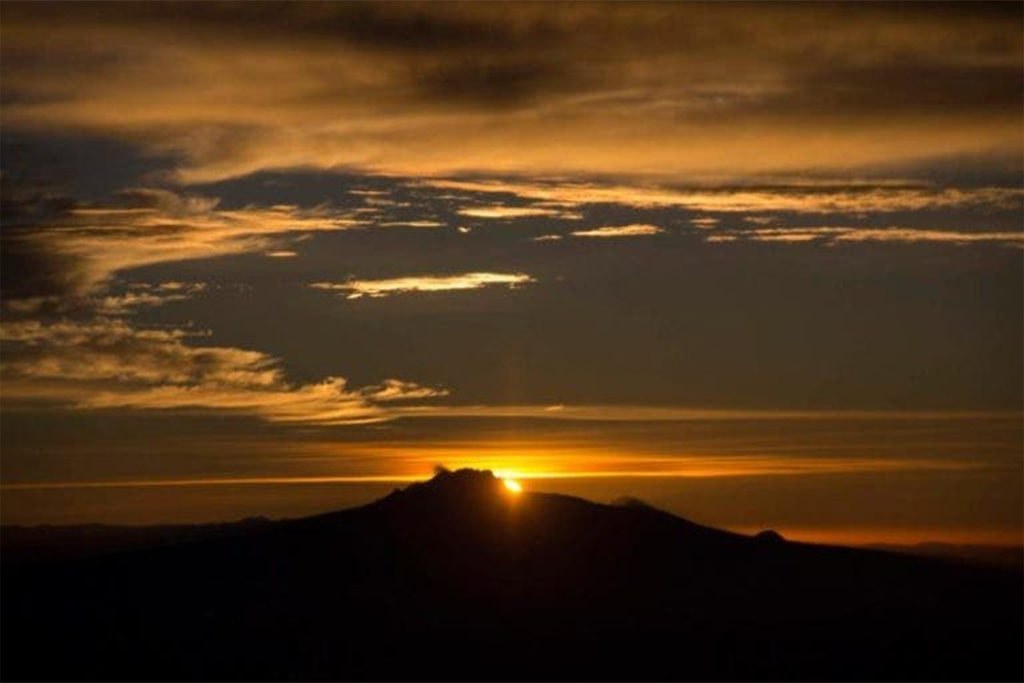
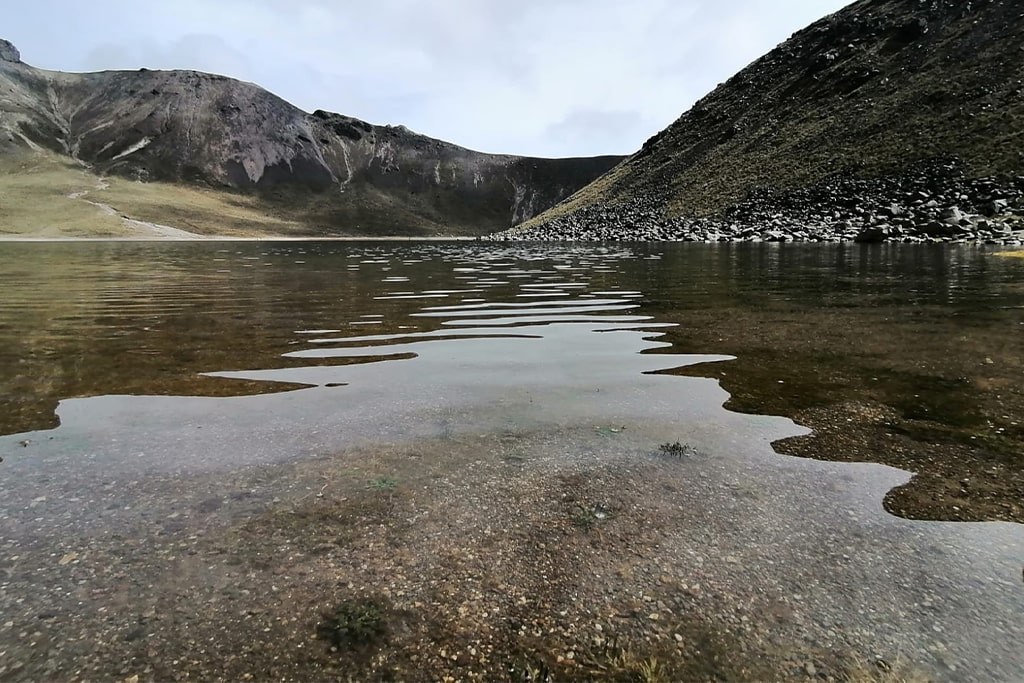
The other two choices shift the emphasis away from a straightforward summit objective. Montaña Fantasma is a sunrise-focused ascent of Monte Tláloc, associated with the seasonal “Ghost Mountain” skyline phenomenon; the catalogue places it in Monte Tláloc, Río Frío. Visibility depends on timing and weather. Lagunas del Sol y la Luna, in Nevado de Toluca, State of Mexico, explores the Sun and Moon lakes inside the volcanic crater. Crucially, its lake-focused route is distinct from the summit ascent. Choose between these experiences by asking what would make the outing meaningful to you: reaching a high point, watching the skyline, or exploring the crater lakes.
Choose the experience first, then check whether the actual itinerary fits your preparation—not the other way around.
How difficult are these hikes?
None of these three catalogue entries provides a difficulty rating or a distance. That absence matters: a scenic photograph cannot tell you how demanding the walking will feel, and the phrase “day hike” is not a synonym for easy. Ask Backpacking Mexico for the proposed distance, total ascent and descent, expected time on foot, terrain, and pace before choosing. Describe your recent hiking honestly, including how you felt on sustained climbs and descents. A useful conversation starts with something concrete—what you have walked recently and how you recovered—rather than a label such as fit, adventurous, or beginner.
Compare the shape of the experience as carefully as its physical demands. Ajusco has a summit goal, but you should still discuss how turnaround decisions are made. Montaña Fantasma is organized around sunrise and a seasonal visual phenomenon, so ask what that focus means for the proposed schedule and preparation. For Lagunas del Sol y la Luna, confirm the actual lake itinerary rather than borrowing expectations from a Nevado de Toluca summit description. A route that does not target the summit should not automatically be called easy. The better match is the outing whose confirmed demands leave room for your pace, comfort, and judgment.
How do you get there from Mexico City?
Think of access as part of the trip, not an administrative detail to solve afterward. The catalogue identifies the destinations but does not provide meeting points, driving directions, transport arrangements, or transfer times for these outings. Ask Backpacking Mexico where the proposed experience begins and ends, whether transport is included or arranged separately, and what you would need to organize yourself. Confirm those details for the specific trip rather than assuming that all departures work the same way. Keeping the journey and the walking itinerary in the same conversation helps you understand what the complete outing would require.
Before making other commitments, request a realistic schedule that distinguishes travel, preparation, walking, and the return journey. Ajusco’s day-hike description does not supply exact hours, while Montaña Fantasma and Lagunas del Sol y la Luna have no listed duration. For the sunrise-focused outing, ask specifically how the intended timing affects the meeting arrangement. For every option, clarify how updates will be communicated and what happens if the proposed plan changes. Avoid building a tightly timed onward connection around an estimate that has not been confirmed. A mountain outing is easier to organize when everyone shares the same understanding of the whole day.
What should you bring?
Use a general hiking kit as a starting point, then ask for a route-specific packing list. Comfortable walking footwear, adjustable clothing layers, protection from rain and sun, food, water, and a daypack are sensible items to discuss. Check what equipment, if any, the proposed trip supplies; do not assume that a guided outing includes everything you might need. Ask how much water to carry rather than counting on opportunities to refill. If you use personal medication, keep it accessible and discuss relevant needs beforehand. The aim is a practical kit you know how to use, not a collection of unfamiliar purchases.
Pack for your participation in the outing, not only for the photograph you hope to bring home. For Montaña Fantasma, ask whether the proposed sunrise schedule calls for a headlamp and any additional clothing while waiting. If you want to use trekking poles on any of these walks, check their suitability with the team. Protect your phone from weather and conserve enough battery for communication, while clarifying the group’s contact plan rather than relying on your device alone. Keep frequently used items within reach. Small organizational choices can reduce unnecessary stops and let your attention return to the landscape instead of your backpack.
How should you approach altitude and acclimatization?
Altitude deserves its own planning conversation, separate from distance or general fitness. Ajusco’s listed maximum is 3,930 meters; the catalogue does not give a maximum altitude for Montaña Fantasma or Lagunas del Sol y la Luna. Do not fill those gaps with numbers taken from a different itinerary, even when it shares a mountain name. Ask for the planned starting and highest elevations, and explain whether you have recent experience at altitude. If you are arriving from a lower elevation, discuss acclimatization before committing to an outing. Avoid treating a strong exercise routine as proof that you know how you will feel.
A useful altitude plan includes more than choosing a departure date. Ask how the guide manages pacing, checks on participants, and responds when someone feels unwell. Do not make reaching a summit or seeing a sunrise a reason to hide symptoms or continue against advice. Tell the guide promptly if you develop a headache, nausea, dizziness, or unusual fatigue; worsening symptoms require attention, not determination. Seek qualified medical advice beforehand if you have health concerns or questions about medication. No general article can provide a personal acclimatization schedule, and a guided format does not remove the need to listen to your body.
What is the best season to go?
There is no catalogue-supported month-by-month season recommendation for these three hikes. The important exception in planning terms is Montaña Fantasma: its skyline phenomenon is seasonal, and visibility depends on timing and weather. Ask Backpacking Mexico about the appropriate viewing window and the proposed outing, without treating the effect as guaranteed. For Ajusco and Lagunas del Sol y la Luna, request advice based on current conditions and the specific plan rather than relying on a blanket claim about the best season. Decide in advance whether the walk itself would satisfy you if visibility or the intended experience differs from what you imagined.
Frequently asked questions: which outing should you choose?
Which hike is in Mexico City itself? Ajusco. Which centers on the seasonal skyline phenomenon? Montaña Fantasma, with visibility dependent on timing and weather. Is Lagunas del Sol y la Luna the Nevado de Toluca summit hike? No: it is a separate, lake-focused route inside the crater. Which is best for a first mountain outing? The catalogue does not provide enough difficulty information to rank them responsibly. Ask Backpacking Mexico about all three by name, describe your experience, and request a recommendation based on the actual itinerary. The right choice begins with an honest match between the landscape you want and the preparation you bring.