Guide · October 27, 2026 · 8 min read
Izta-Popo National Park: A Practical Hiking Planning Guide
Planning a hike in Izta-Popo National Park starts with choosing an objective, not chasing a summit photograph. Use this guide to frame the right questions about Iztaccíhuatl, preparation, access, equipment, and acclimatization.
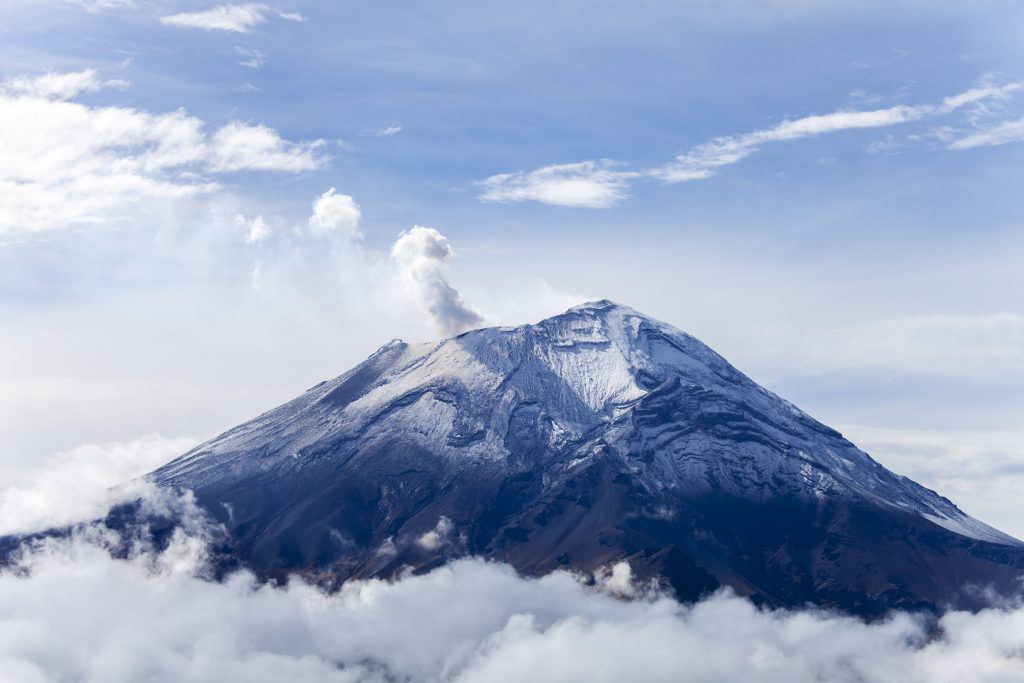
A mountain name can become a destination long before it becomes a workable plan. Search for Izta-Popo National Park and the first question may seem obvious: how do I get there? For hikers, a more useful question comes first: what do I want to do when I arrive? The catalogue’s Iztaccíhuatl Summit journey follows the ridgeline of the “Sleeping Woman,” a demanding high-mountain objective for well-prepared hikers. That description should shape the planning from the outset. Before arranging transport or buying equipment, decide whether this is the experience you want—and whether your preparation fits the objective.
What does an Izta-Popo hiking trip actually involve?
Treat the park name as the beginning of your research, not as a complete itinerary. A destination search and a summit booking answer different questions: one identifies an area of interest; the other commits you to a particular mountain objective. For the trip discussed here, the catalogue places Iztaccíhuatl Summit in State of Mexico / Puebla and lists a maximum altitude of 5,230 meters. Its defining feature is a journey along the Sleeping Woman’s ridgeline. These details establish the character of the outing, but they do not establish a departure point, walking distance, schedule, or transport arrangement.
This guide therefore focuses on making a sound decision rather than supplying an unverified route description. The catalogue does not provide an administrative overview of the park, and its summit entry is not a visitor-access map. Ask Backpacking Mexico which specific itinerary matches your interests and what its current arrangements involve. Explain whether your priority is the summit objective, developing mountain experience, or understanding what preparation would be needed before booking. A useful answer should connect the landscape you imagine with a clearly described outing, rather than allowing the broad destination name to stand in for a plan.
How difficult is Iztaccíhuatl, and is it right for you?
The clearest difficulty information in the catalogue is qualitative: Iztaccíhuatl Summit is a demanding high-mountain journey intended for well-prepared hikers. There is no published numerical grade, distance, or duration in the supplied entry. Avoid translating that description into a familiar trail category based on photographs or enthusiasm. Instead, give Backpacking Mexico concrete examples of your recent hiking: the kinds of outings you have completed, what you carried, and how you felt afterward. Useful preparation conversations begin with experience you can describe, not with a broad claim that you are fit or determined to reach the top.
Ask what “well-prepared” means for the proposed departure: which prior experience is expected, how equipment competence is assessed, and what information the team needs from you. Do not assume that the absence of a formal difficulty field makes the journey suitable for a first mountain outing. Equally, a demanding description is not a personalized assessment of your abilities. The practical next step is a candid conversation. Share any uncertainty about the objective early, while there is still room to reconsider the plan. Choosing a trip that matches your preparation is a better starting point than booking first and resolving the mismatch later.
Let the mountain be the inspiration; let a clearly defined itinerary be the plan.
How do you get there, and what should you confirm?
The regional label State of Mexico / Puebla does not tell you where to meet a guide or where your walking begins. No road approach, transport service, meeting point, or journey time is specified in the Iztaccíhuatl catalogue entry. Before making independent arrangements, request the exact meeting location and clarify whether onward transport forms part of the proposal. Ask which instructions apply to your booking rather than borrowing directions from an unrelated hike. Getting the broad destination right is only one part of the process; reaching the correct meeting place with the correct arrangements is the practical task.
Organize the logistics as a round trip, not merely an arrival. Ask how the return is arranged, what communication channel will be used for updates, and when you should expect the final instructions. Clarify any access requirements, permissions, or entry arrangements that apply to the proposed outing, including who is responsible for handling them. This guide does not establish that any particular access point or itinerary is currently available. Keep transport bookings and other commitments aligned with confirmed information from Backpacking Mexico, and request a written summary so that meeting arrangements, inclusions, and outstanding questions are easy to review.
What should you bring on the hike?
A packing list should follow the confirmed itinerary, not precede it. The catalogue does not identify the required footwear, clothing system, technical equipment, or overnight arrangements for Iztaccíhuatl Summit. Ask Backpacking Mexico for a trip-specific list that separates required personal items, equipment supplied by the team, and anything you must arrange separately. Useful categories to discuss include layers, weather protection, footwear, a backpack, food, water, lighting, and personal medication. These are prompts for a preparation conversation, not a complete equipment prescription. Confirm quantities and specifications with the team instead of filling the gaps with assumptions from another mountain trip.
Once you receive the list, review it item by item while there is time to resolve questions. Check the fit and condition of what you already own, and ask before substituting an unfamiliar item for something specifically requested. If technical equipment is required, clarify whether prior experience using it is expected and what instruction, if any, is included. Do not treat an expensive purchase as a substitute for understanding the requirements. The same applies to pack weight: ask what you will personally carry and how any shared items are handled. A clear division of responsibility makes preparation more deliberate and less dependent on last-minute guesswork.
What about altitude and acclimatization?
The Iztaccíhuatl Summit entry lists a maximum altitude of 5,230 meters. That is the trip’s stated maximum, not its starting altitude or total ascent; neither of those figures is supplied. Keep these measurements separate when discussing the itinerary. Ask Backpacking Mexico how altitude preparation is addressed and what information about your previous mountain experience is relevant. The number alone cannot provide an individualized preparation schedule. If you have health questions, seek advice from a qualified clinician rather than treating a travel article as medical clearance. Bring those questions into the planning process before committing to the summit objective.
La Malinche Summit is worth discussing in that conversation because the catalogue explicitly describes it as a classic acclimatization peak. Located in Tlaxcala / Puebla, it has a listed maximum altitude of 4,460 meters and a landscape of pine forest giving way to open alpine slopes. Those are reasons to ask about it, not grounds for prescribing a sequence yourself. The catalogue gives no duration or distance for this outing and does not establish a combined program with Iztaccíhuatl. Ask Backpacking Mexico whether La Malinche fits your preparation and, if so, how the separate objectives should be considered together.
When is the best season to go?
There is no seasonal calendar in the supplied catalogue, so naming a best month would introduce information the trip descriptions do not support. Start instead with the period you can travel and ask Backpacking Mexico whether the proposed Iztaccíhuatl itinerary is appropriate for that window. Request an explanation of how conditions and access will be reviewed and when a final decision is expected. Avoid treating a month mentioned elsewhere as a standing promise for your trip. An evergreen planning guide is most useful when it helps you verify the right information, rather than presenting changing circumstances as permanent advice.
Build your travel decisions around what has actually been confirmed. Before purchasing transport or arranging other commitments, ask what happens if the proposed outing needs to change and which terms apply to your booking. Clarify whether alternatives would be discussed, without assuming that another hike is automatically included or available. Also ask how close to departure you should check for updated instructions. This approach does not produce a universal answer to the seasonal question, but it gives you a usable decision process: identify your travel window, discuss the objective, understand the conditions of booking, and keep the final logistics connected to current guidance.
Frequently asked questions before booking
How far is the hike, and how long does it take? Neither distance nor duration is specified for Iztaccíhuatl Summit in the supplied catalogue; request both for the itinerary being proposed. Does the listed altitude mean that much climbing? No: 5,230 meters is the listed maximum altitude, not a supplied elevation-gain figure. Is this described as a beginner outing? The catalogue instead calls it demanding and intended for well-prepared hikers. Can this guide provide turn-by-turn directions? No route directions are supplied here. Resolve those questions with Backpacking Mexico rather than converting missing details into estimates that might influence a booking.
Should you book La Malinche first? Its acclimatization description makes it a relevant question, but the catalogue does not prescribe it as a prerequisite or guarantee a particular outcome. Ask about La Malinche Summit and Iztaccíhuatl Summit together, explaining your experience, available travel window, and interest in the mountain journey itself. Request a proposal that clearly identifies the objective, preparation expectations, equipment responsibilities, access arrangements, and unresolved details. The Sleeping Woman’s ridgeline can remain the image that draws you toward the mountains. A thoughtful conversation with Backpacking Mexico is how that image begins to become a specific, considered hiking plan.