Guide · October 26, 2026 · 8 min read
Hiking Peaks Around Mexico City: How to Choose and Plan Your Walk
Compare Ajusco, Monte Tláloc and the sunrise-focused Montaña Fantasma experience. Learn what the catalogue confirms—and which questions to ask before choosing your hike.
What kind of mountain hike are you looking for?
Searching for peaks to hike around Mexico City begins with a simple wish: leave the everyday behind and spend time walking toward something larger. But a summit is not a complete itinerary. A forested ascent, a long approach to ceremonial remains and an outing organized around sunrise offer different reasons to go. Before choosing a name, decide what matters most: the walking itself, reaching a high point or witnessing a particular landscape event. That distinction makes the catalogue more useful. Instead of treating every mountain as interchangeable, you can match the purpose of the trip to your own expectations.
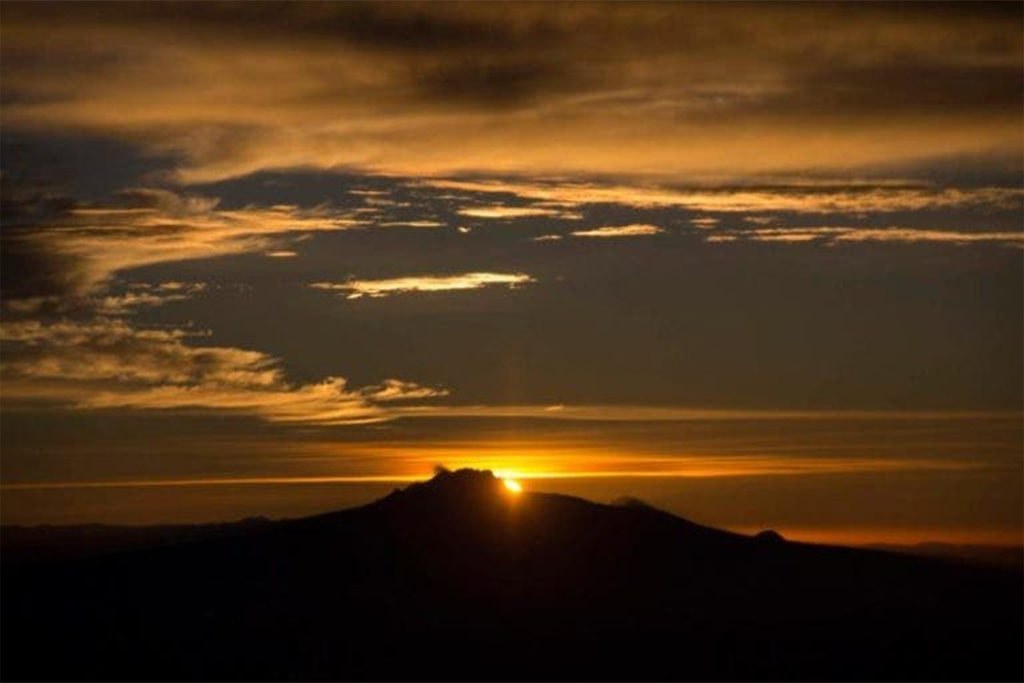
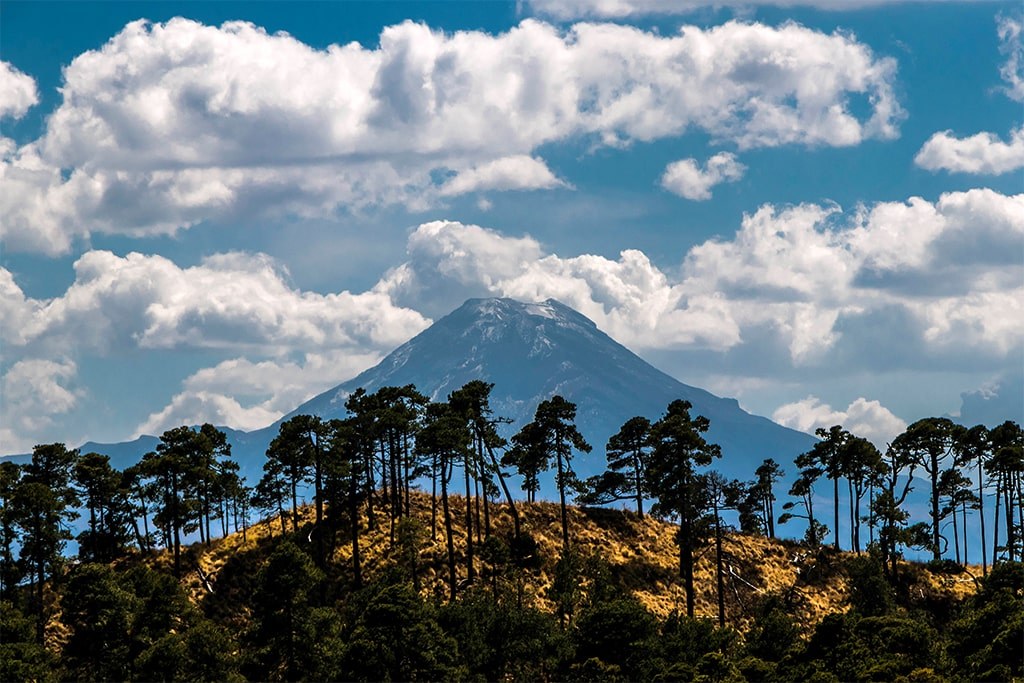
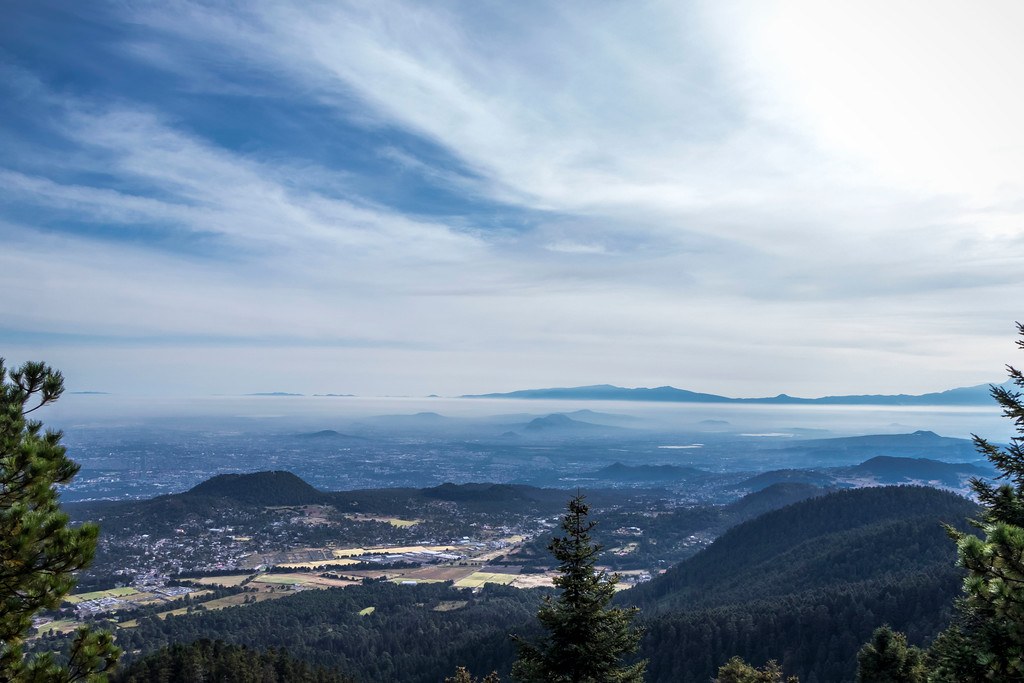
Three Backpacking Mexico outings provide a useful starting point. Ajusco is described as a forested summit hike close to the capital and the highest point in Mexico City. Monte Tláloc is a long ascent from Río Frío through highland forest to an open summit and pre-Hispanic ceremonial remains. Montaña Fantasma is also associated with Monte Tláloc, but its focus is sunrise and the seasonal “Ghost Mountain” skyline phenomenon. These are not three unrelated mountain destinations. Two experiences share a mountain while emphasizing different objectives, an important distinction when deciding what you actually want to book and what questions to ask.
How difficult are Ajusco and Monte Tláloc?
The catalogue does not assign a difficulty rating to Ajusco, Monte Tláloc or Montaña Fantasma, and it gives no route distance for any of them. Ajusco is listed as a day hike; Monte Tláloc is described as a long ascent. Those descriptions help frame a conversation, but they do not establish walking hours, elevation gain or a ranking from easiest to hardest. Resist filling those gaps with assumptions. A day hike is a duration category, not a promise that the effort will suit everyone. Ask Backpacking Mexico for the proposed itinerary and its requirements before deciding whether it fits your experience.
Make that conversation concrete by describing what you have actually done recently. Explain how regularly you walk, whether you have experience with sustained ascents and what you found demanding on previous outings. Mention concerns about the descent as well as the climb. Then ask about the expected walking time, elevation gain, terrain, planned breaks and how the group pace is managed. These are details to obtain from the proposed trip, not figures supplied by this guide. For a mixed-experience group, share everyone's background rather than using the strongest walker's confidence as a substitute for a realistic assessment of the whole party.
Choose the experience before the summit: a name on the map cannot tell you whether the walking day fits you.
How do you get there, and what must you confirm?
Start by separating the destination from the meeting point. The catalogue places Ajusco in Mexico City and Monte Tláloc in Río Frío, State of Mexico; Montaña Fantasma is listed in the Monte Tláloc, Río Frío area. Those locations orient your choice, but they are not driving directions or pickup instructions. No departure address, road itinerary, public transport connection or journey time is supplied. Ask where the outing begins, whether transport is included and where the walking starts. Do not assume that an experience marketed around Mexico City necessarily departs from your neighborhood or includes a transfer from the city.
Plan the return with the same care as the outward journey. Request the expected schedule for the complete outing, distinguishing travel time from walking time, and ask what arrangements apply if the itinerary changes. For Montaña Fantasma, confirm how the sunrise objective shapes the meeting and departure plan; the catalogue supplies no specific start time. If you intend to travel independently, ask for current arrival instructions rather than navigating to a mountain name alone. Keep the agreed meeting details accessible and clarify whom to contact. These practical questions turn a broad destination into an actual plan without inventing logistics the catalogue does not provide.
What should you bring on a guided mountain hike?
Build your packing list from the confirmed outing, not from the photograph that first caught your attention. Ask Backpacking Mexico for its clothing, footwear, food, water and equipment requirements for the itinerary you are considering. As a general planning approach, favor footwear you have already used for walking and clothing that can be adjusted in layers. Discuss weather protection and how to organize your belongings in a pack. These are preparation recommendations, not a route-specific equipment certification. The catalogue does not give a packing list, so this guide cannot establish quantities, technical gear requirements or what the company supplies.
The purpose of the outing should shape the questions you ask about equipment. Because Montaña Fantasma is sunrise-focused, ask whether the proposed itinerary requires a headlamp and what lighting arrangements participants must make. For all three experiences, confirm how much food and water to carry, whether personal poles are appropriate and which items, if any, are provided. Do not assume equipment is included simply because the trip is guided. Leave room in your planning for personal needs, including medications you normally carry, and discuss relevant requirements privately with the team. A useful pack begins with an agreed list rather than last-minute guesswork.
What do you need to know about altitude and acclimatization?
Ajusco has a listed maximum altitude of 3,930 meters. This is the only maximum-altitude figure supplied for the three outings discussed here: the catalogue gives none for Monte Tláloc or Montaña Fantasma. Keep that distinction clear when comparing them. A summit altitude is also not the same measurement as the amount you climb during the day. Without a starting elevation and itinerary details, it does not tell you the route's elevation gain. Ask the team to explain the altitude profile of the proposed walk and how they recommend preparing for it, rather than treating one number as a complete description of the effort.
Make acclimatization part of the planning conversation instead of assuming your normal exercise routine answers every question. Tell Backpacking Mexico where you have been staying, what recent mountain experience you have and whether you have previously felt unwell at altitude. Ask what preparation they recommend and how they handle a participant who needs to stop or turn back. This guide does not prescribe an acclimatization schedule or promise that a particular preparation will prevent problems. If you have a medical condition or concerns about altitude, seek individualized advice from a qualified health professional before committing. Keep the summit as a goal, not an obligation.
When is the best season to go?
There is no month-by-month hiking calendar in the catalogue, so naming a universally best season for these outings would go beyond the available information. The specific seasonal detail concerns Montaña Fantasma: its skyline phenomenon is seasonal, and visibility depends on timing and weather. That makes the experience different from simply choosing a date for a summit walk. Ask which proposed outings are intended to coincide with the phenomenon and what expectations are reasonable. Do not interpret the trip name as a guarantee of a particular view. Its sunrise focus is confirmed; a successful sighting on any given outing is not.
For Ajusco and Monte Tláloc, ask about the conditions expected for the departure you are considering and whether those conditions affect the proposed route or equipment list. Keep this separate from questions about general seasonality: a preferred time of year is not a substitute for current trip information. If the landscape matters more to you than a specific visual event, explain that preference when comparing Monte Tláloc with Montaña Fantasma. Also request the terms that apply to changes or cancellations before making arrangements. This guide supplies neither a weather forecast nor a booking policy, and it does not assume that any departure is currently available.
Frequently asked questions: which hike should you choose?
Is Ajusco the obvious first hike? The catalogue confirms a forested day hike to Mexico City's highest point, but it does not label the outing beginner-friendly. Ask whether the proposed itinerary suits your background. Are Monte Tláloc and Montaña Fantasma the same trip? They share a mountain, but their catalogue descriptions emphasize different experiences: a long ascent through highland forest to an open summit and ceremonial remains, versus a sunrise-focused ascent associated with a seasonal skyline phenomenon. How long do they take? Only Ajusco has a duration category, “day hike.” Exact walking hours and total schedules must be confirmed with the team.
Can you choose without knowing the distance? You can make a shortlist, but request the missing details before committing. Start with Ajusco if its forested summit and Mexico City setting match your interests. Ask about Monte Tláloc if you are drawn to its long forest ascent and pre-Hispanic ceremonial remains. Discuss Montaña Fantasma if sunrise and the seasonal skyline phenomenon are your central motivation. Then give Backpacking Mexico the information needed to advise you: your experience, preferences, concerns and transport needs. The most useful result of your search is not a mountain ranked above the others, but a clearly understood walking day you have deliberately chosen.