Guide · November 12, 2026 · 8 min read
Hiking in Mexico: How to Choose and Prepare for Your Hike
Hiking in Mexico can mean community-managed forest trails or a demanding high-mountain ridgeline. Use this guide to compare three distinct journeys, ask the right planning questions, and prepare for the experience you actually want.
What does hiking in Mexico look like?
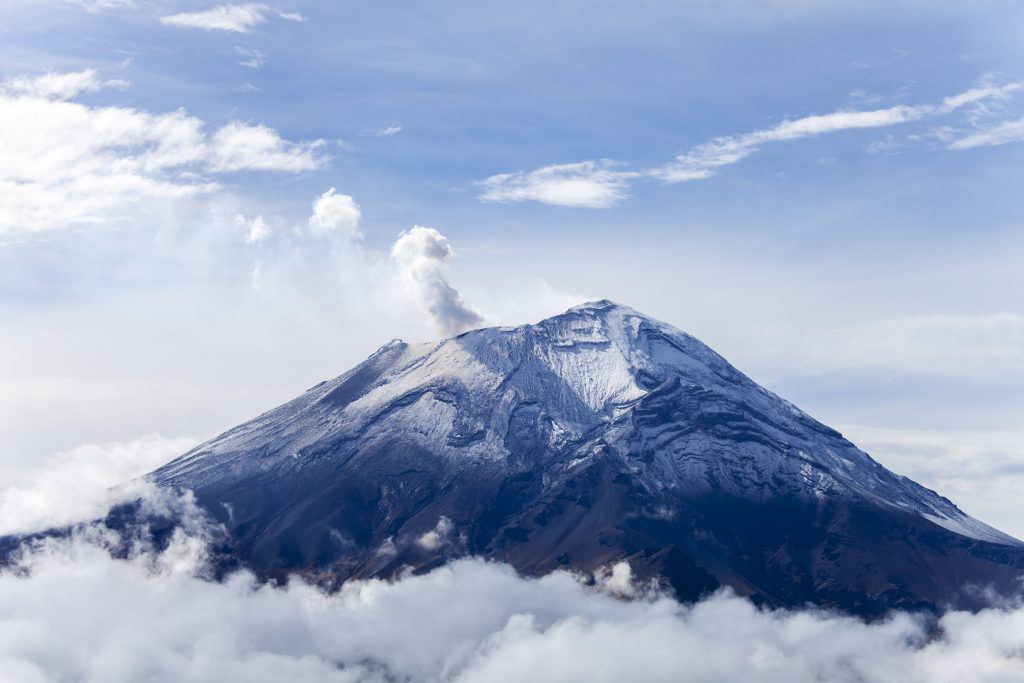
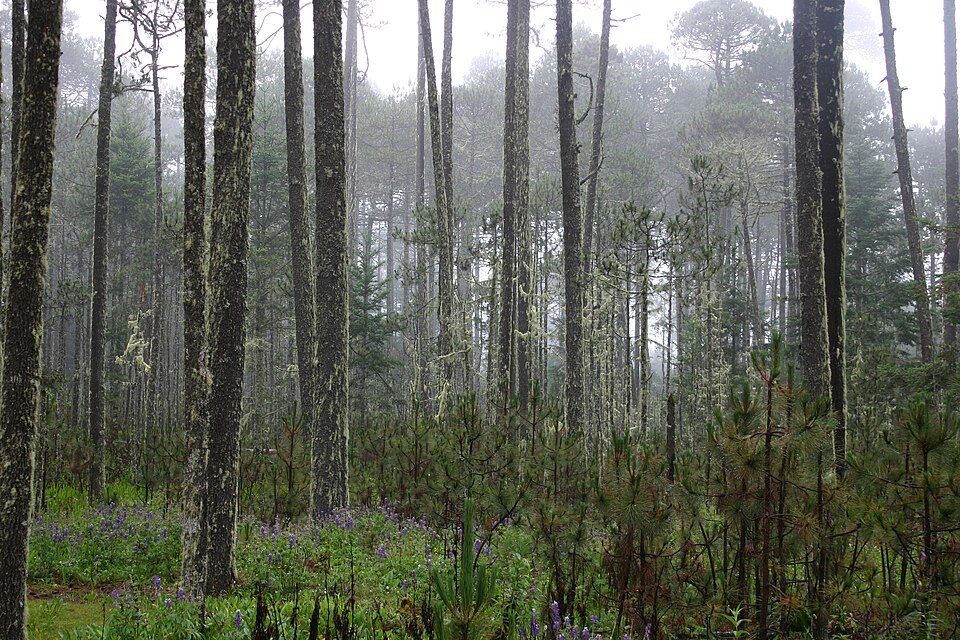
Hiking in Mexico begins with a choice of landscape, but it becomes a much better trip when that choice also reflects how you want to walk. Picture the pine-oak forest of Pueblos Mancomunados, where community-managed trails connect villages. Contrast that with La Malinche, where pine forest gives way to open alpine slopes, or Iztaccíhuatl, whose high-mountain journey follows the ridgeline of the “Sleeping Woman.” These are not interchangeable versions of the same outing. One foregrounds movement between communities; another introduces an acclimatization objective; the third calls for well-prepared hikers. Start with the experience, rather than a list of summits to collect.
The three trips offer a useful starting point for a conversation with Backpacking Mexico. Pueblos Mancomunados is in Sierra Norte, Oaxaca; La Malinche Summit spans the Tlaxcala / Puebla region; and Iztaccíhuatl Summit is listed in State of Mexico / Puebla. Their catalogue descriptions establish the broad character of each journey, not a complete itinerary. Distances, walking times, and formal difficulty ratings are not supplied for these trips. Treat those missing details as questions to resolve before committing, not blanks to fill with assumptions. A compelling description should help you choose what to investigate next, rather than stand in for a route briefing.
How hard are the hikes, and which should you choose?
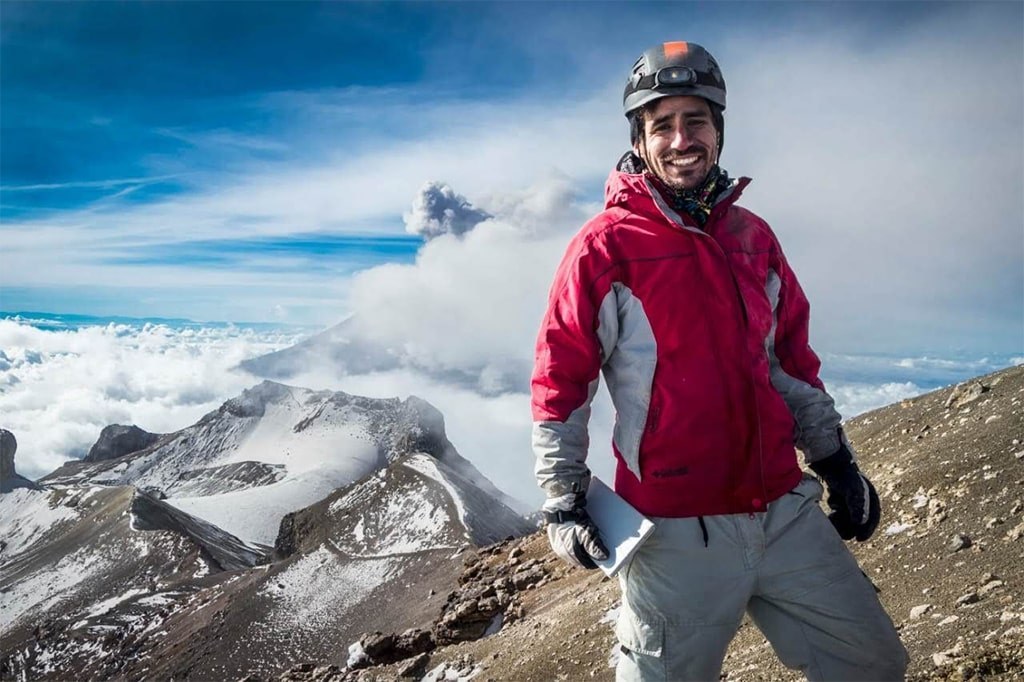
Iztaccíhuatl Summit is explicitly described as a demanding high-mountain journey for well-prepared hikers, with a listed maximum altitude of 5,230 metres. That wording deserves more attention than the appeal of the summit alone. Ask Backpacking Mexico what preparation, recent hiking experience, and equipment the proposed itinerary requires. Explain your experience plainly: what you have walked recently, whether you have carried your own pack, and how you have felt on previous mountain trips. Do not turn an impressive altitude into a personal deadline. The right objective is one whose demands you understand and can discuss honestly with the team before departure.
La Malinche Summit is described as a classic acclimatization peak, with a listed maximum altitude of 4,460 metres and a landscape changing from pine forest to open alpine slopes. That description does not establish a beginner difficulty rating or guarantee readiness for another mountain. Pueblos Mancomunados offers a different focus: village-to-village walking through pine-oak forest on community-managed trails. Its catalogue entry does not give a maximum altitude, distance, or duration, so it should not automatically be labelled easy. Compare the actual proposed itineraries, including ascent, descent, walking hours, pack requirements, and opportunities to adjust the plan, rather than ranking trips by their names.
Choose the hike whose demands you understand—not simply the summit whose name you recognize.
How do you get there and organize the logistics?
A region is a starting point for planning, not a set of travel directions. Knowing that Pueblos Mancomunados lies in Sierra Norte, Oaxaca, or that La Malinche is listed in Tlaxcala / Puebla does not tell you where your particular trip meets. Before booking onward travel, request the exact meeting point, the expected return arrangement, and a clear explanation of which transfers are included, if any. Ask whether the itinerary finishes where it starts and what happens to luggage you do not carry. None of those arrangements is established by the catalogue summaries, and they should be confirmed for the trip being discussed.
Build your questions around the whole outing, not just the hours on foot. Ask Backpacking Mexico to separate travel, preparation, walking, breaks, and any overnight arrangements in the proposed plan. For Pueblos Mancomunados, clarify how the village-to-village itinerary is organized and what community arrangements apply. For La Malinche Summit and Iztaccíhuatl Summit, request the intended starting and finishing points and any access requirements. Do not assume that transport, meals, lodging, equipment, or permissions come bundled together. A written outline of inclusions and responsibilities makes the trip easier to evaluate and helps everyone prepare for the same experience rather than different imagined versions of it.
What should you bring?
Begin with a route-specific packing list from Backpacking Mexico, then compare it with equipment you already know how to use. As general planning categories, consider footwear, clothing layers, weather protection, sun protection, food, water, personal medication, and a way to carry everything comfortably. These categories are not a technical equipment list for Iztaccíhuatl or a promise that the same setup suits every outing. Ask what is required, what is provided, and what must be arranged separately. If you are considering unfamiliar equipment, discuss it before buying or borrowing it. The useful question is not simply what to pack, but why the proposed itinerary calls for it.
Packing also means understanding what support exists along the proposed route. Do not assume there will be drinking-water refills, food purchases, charging opportunities, or luggage transfers unless the team confirms them. Ask how much you are expected to carry and whether any overnight equipment is relevant to your itinerary. Try your intended footwear and loaded pack during preparation walks, and flag discomfort while there is still time to reconsider the setup. For community-managed trails, ask about local expectations as well as practical equipment. Preparation should make you more attentive to the place you are visiting, rather than leave you preoccupied with an unfamiliar pack or a missing essential.
How should you plan for altitude and acclimatization?
The listed maximum altitudes make this an essential planning conversation: 4,460 metres for La Malinche Summit and 5,230 metres for Iztaccíhuatl Summit. Neither number tells you the starting elevation, total climb, sleeping elevation, or time spent high on the mountain. Ask for those details in the proposed itinerary rather than trying to infer them from the summit figure. La Malinche’s description as an acclimatization peak is a reason to discuss its role in a broader plan, not an instruction to combine the two trips automatically. Ask Backpacking Mexico how preparation and acclimatization would be approached for your circumstances and chosen objective.
Keep the conversation personal and specific without treating it as a test of determination. Tell the team about your previous experience at altitude, any difficulties you encountered, and relevant health concerns. Seek individualized medical advice when appropriate; an article cannot determine whether a particular ascent suits you. Ask how the itinerary allows for reassessment, how to communicate feeling unwell, and how decisions about continuing or turning back are handled. Do not assume that strong fitness or completing another hike settles those questions. The practical goal is to arrive with an agreed approach to changing circumstances, not with an obligation to reach a particular point.
What is the best season for hiking in Mexico?
There is no supported month-by-month recommendation in these catalogue entries. They do not specify seasonal operating windows, typical weather, or current access conditions for the three trips. Rather than applying one calendar rule to forest walking and high-mountain objectives alike, ask about the particular route and the period you are considering. Request an explanation of which conditions affect the proposed itinerary and when those conditions will be reviewed. This keeps seasonal planning connected to the actual hike. It also avoids mistaking an attractive landscape description for a promise about visibility, trail conditions, or the likelihood of completing a summit objective.
If your travel window is fixed, describe the experience you most want before settling on a route: community-to-community walking, a forest-to-alpine transition, or a demanding high-mountain journey. Ask Backpacking Mexico which of Pueblos Mancomunados, La Malinche Summit, or Iztaccíhuatl Summit merits further planning for that window, without assuming any departure is available. If your dates are flexible, ask what factors should guide your choice. In either case, clarify how changes are communicated and what alternatives might be discussed if the intended plan cannot proceed. A useful seasonal answer explains the decision process instead of offering a universal “best time” unsupported by the itinerary.
Frequently asked questions before choosing a hike
Can beginners join these trips? The catalogue does not establish beginner suitability; Iztaccíhuatl is specifically intended for well-prepared hikers. Ask for an individual assessment rather than assuming a forest itinerary is introductory. How long are the walks? Durations and distances are not supplied for these three entries, so request the actual itinerary. Is a guide compulsory? The summaries do not establish legal guiding requirements or independent-access rules. Backpacking Mexico is a guided hiking company, and you can ask what guidance and support its proposed trip includes. Keep those service details separate from any assumptions about what access rules require.
Which trip should you ask about first? Choose Pueblos Mancomunados if village-to-village walking through community-managed pine-oak forest is the experience that draws you. Ask about La Malinche Summit if its forest-to-alpine landscape and acclimatization focus match your planning questions. Discuss Iztaccíhuatl Summit if you are seeking a demanding high-mountain objective and are ready to examine its preparation requirements carefully. You do not need to arrive with every answer. Send Backpacking Mexico your interests, recent experience, travel constraints, and questions. The next step is a specific conversation about a specific itinerary—the point where an evocative landscape becomes a thoughtfully chosen hike.