Guide · October 16, 2026 · 5 min read
How to Acclimatize for Mexico’s Volcanoes: The Altitude Ladder
The proven sequence from Mexico City to Pico de Orizaba — which peaks to climb, in what order, and how many rest days you need.
Mexico’s great volcanoes are unusually accessible: you can sleep in a comfortable hotel in Mexico City and stand above 4,000 meters the next morning. That accessibility is also the trap. The most common reason people fail on Iztaccíhuatl or Pico de Orizaba isn’t fitness — it’s skipping the steps their bodies needed to adapt.
Step 1: Mexico City itself (2,250 m)
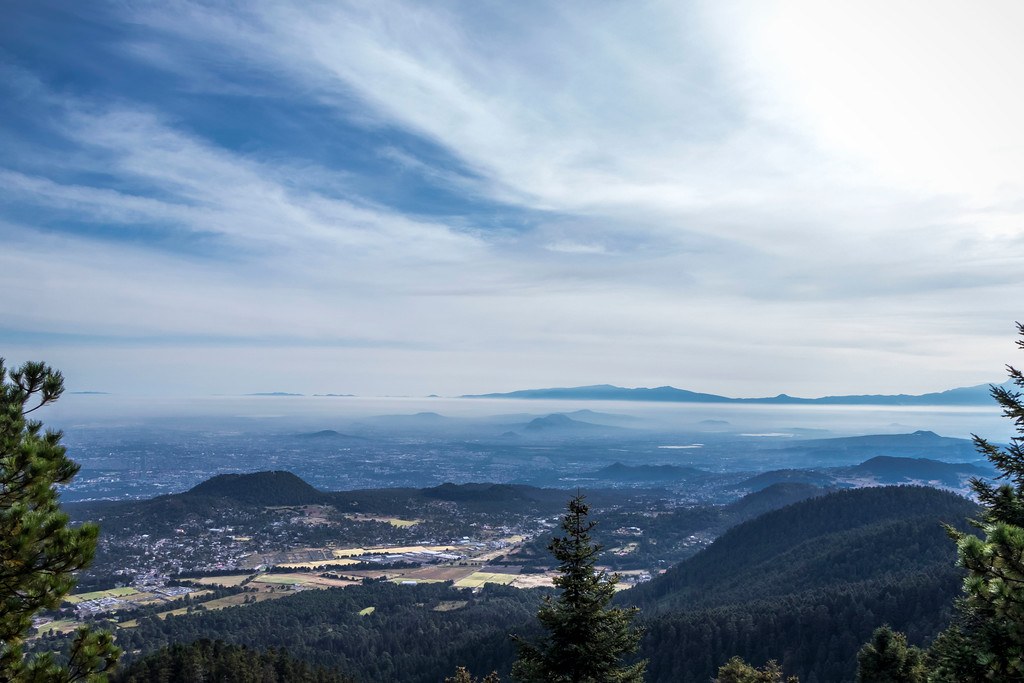
The city is your first acclimatization stop. Spend at least one or two full days there before any mountain. Walk, eat well, drink plenty of water and go easy on alcohol. If you’re flying in from sea level, this alone makes a measurable difference.
Step 2: A first summit — Ajusco (3,930 m)
Mexico City’s own mountain is a half-day outing and a perfect first taste of altitude, especially for newer hikers.
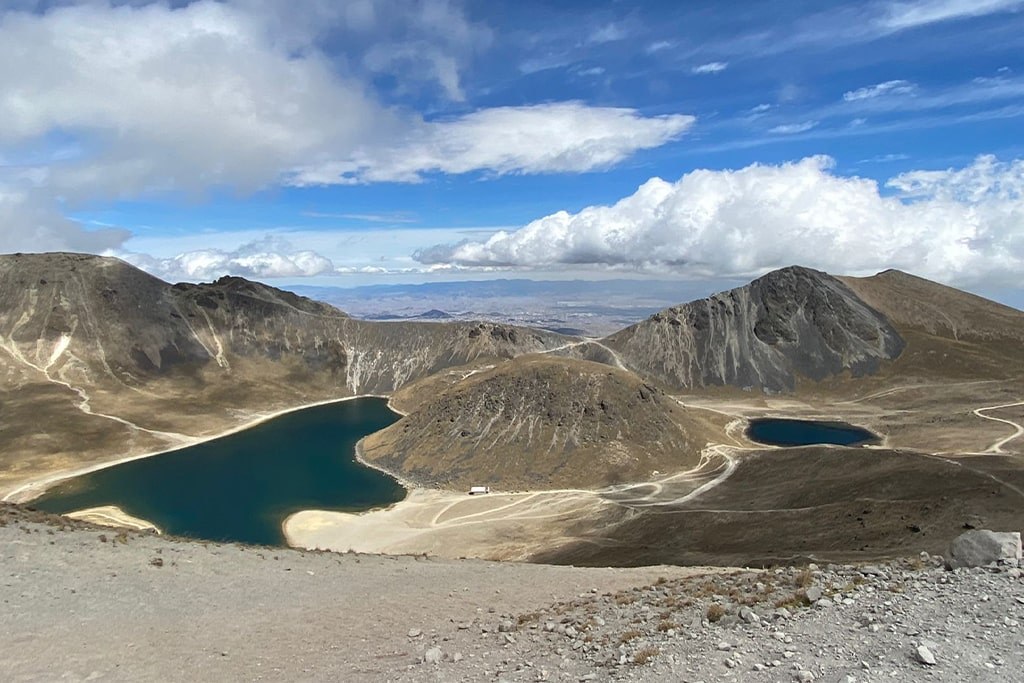
Step 3: La Malinche (4,461 m) or Nevado de Toluca (4,680 m)
These are the two classic acclimatization peaks. La Malinche is the longer endurance test: about 14 km and 1,160 m of gain. Nevado de Toluca is higher but shorter: about 8.5 km and 880 m of gain, all above 4,000 m. Neither summit establishes readiness for a higher or more technical objective; review acclimatization, skills and health individually.
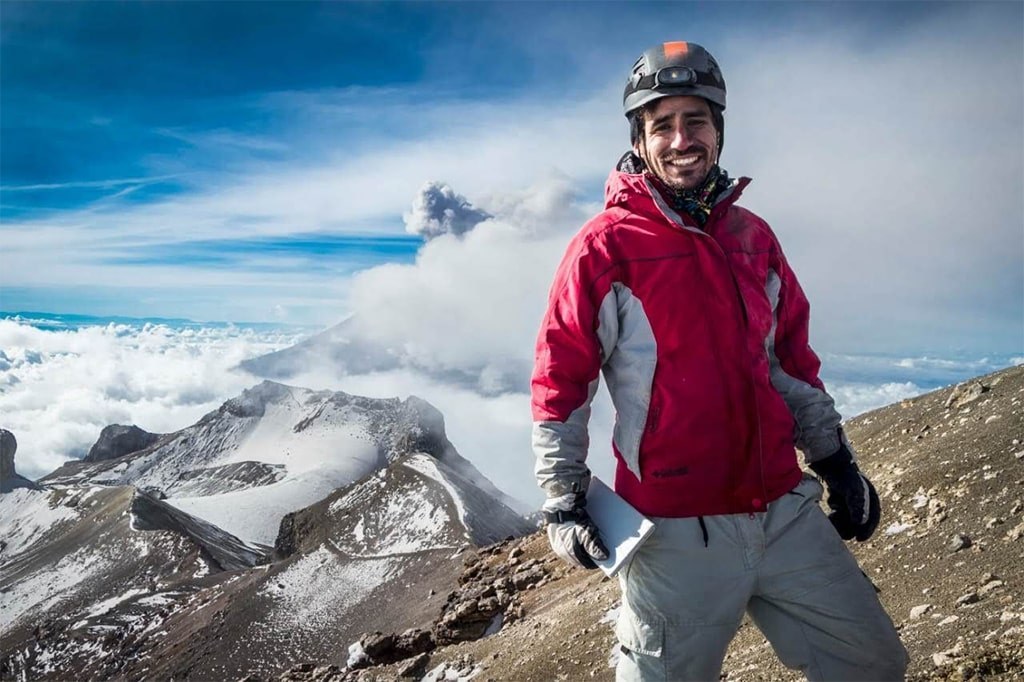
Step 4: Iztaccíhuatl (5,230 m)
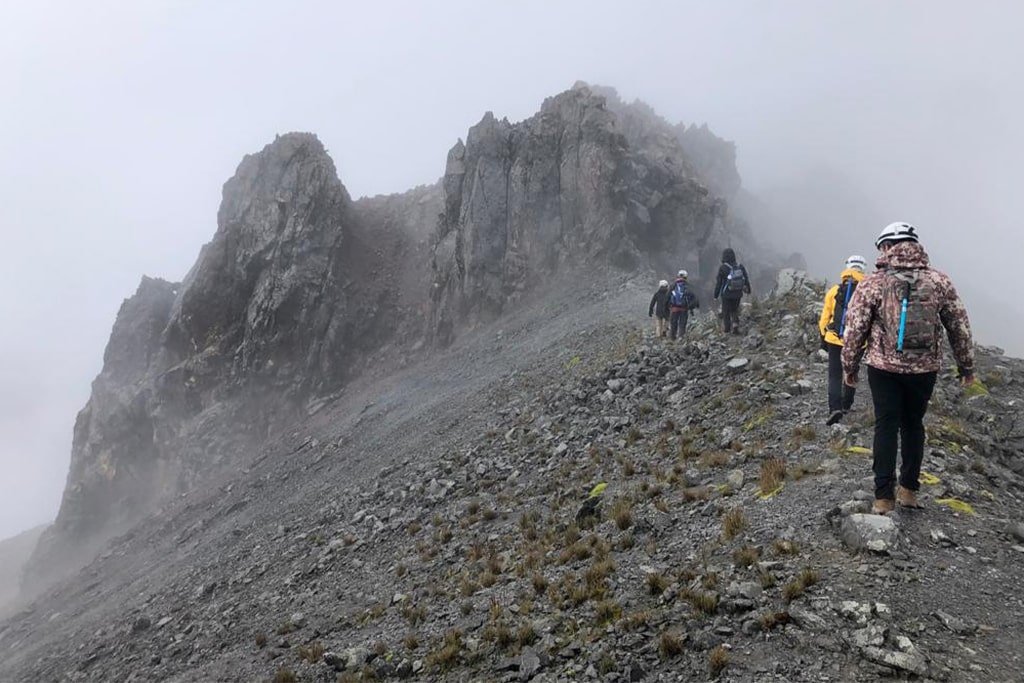
A two-day climb with a night at La Joya camp (3,930 m), a midnight start and a long ridge. Many climbers use it as both an objective and the final preparation for Orizaba.
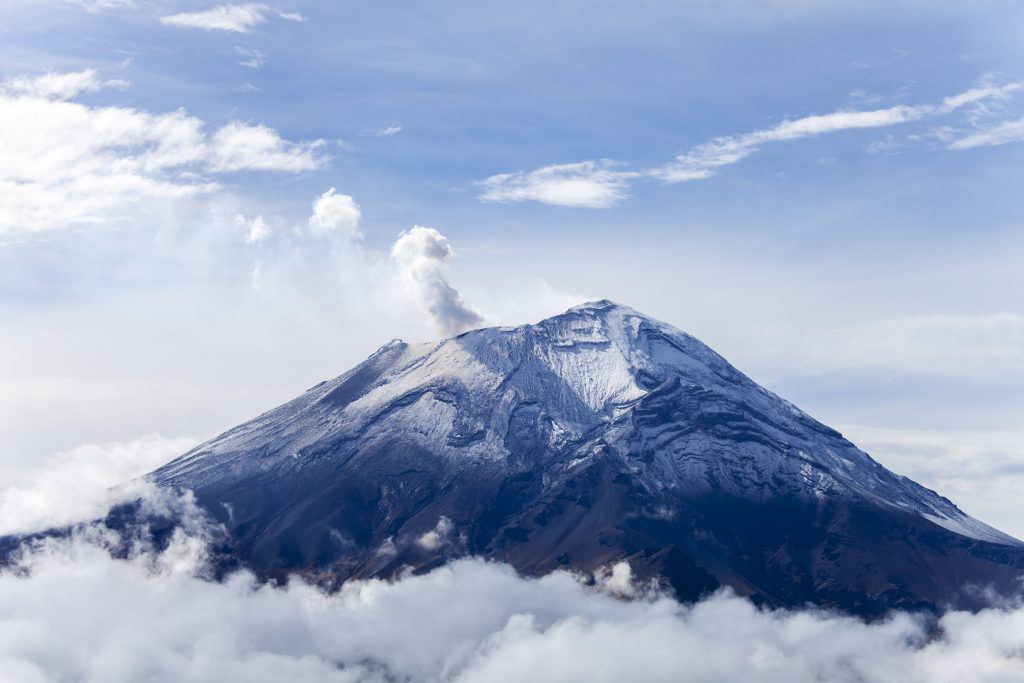
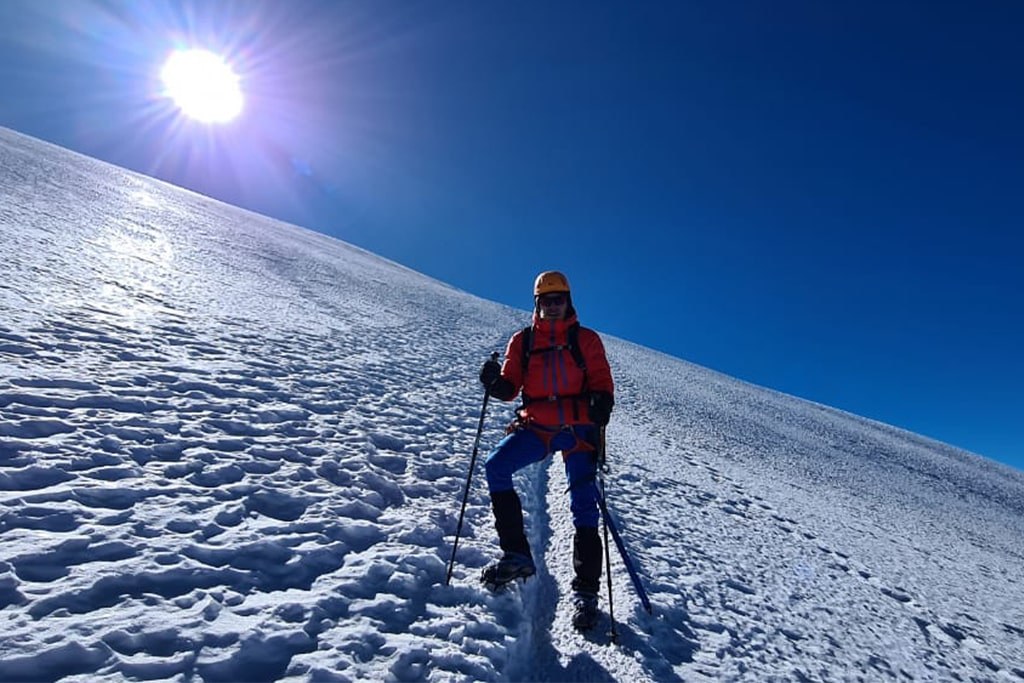
Step 5: Pico de Orizaba (5,636 m)
Mexico’s highest summit and a true glacier climb. Plan gradual acclimatization and technical preparation individually; a recent altitude exposure alone does not establish readiness.
Everyone responds to altitude differently. Report a headache, nausea or dizziness to your guide early; stop ascent when symptoms appear; severe or worsening symptoms require descent and urgent medical help. If you have medical concerns, speak to a doctor before you travel.