Guide · November 7, 2026 · 7 min read
Trekking Mexico: How to Choose and Prepare for Your Hike
From Iztaccíhuatl’s ridgeline to the mountain-to-coast journey of Camino Copalita, trekking Mexico begins with choosing the right kind of challenge. Use this guide to compare experiences, ask better questions, and prepare without mistaking a summit elevation for a complete itinerary.
What does trekking Mexico actually involve?
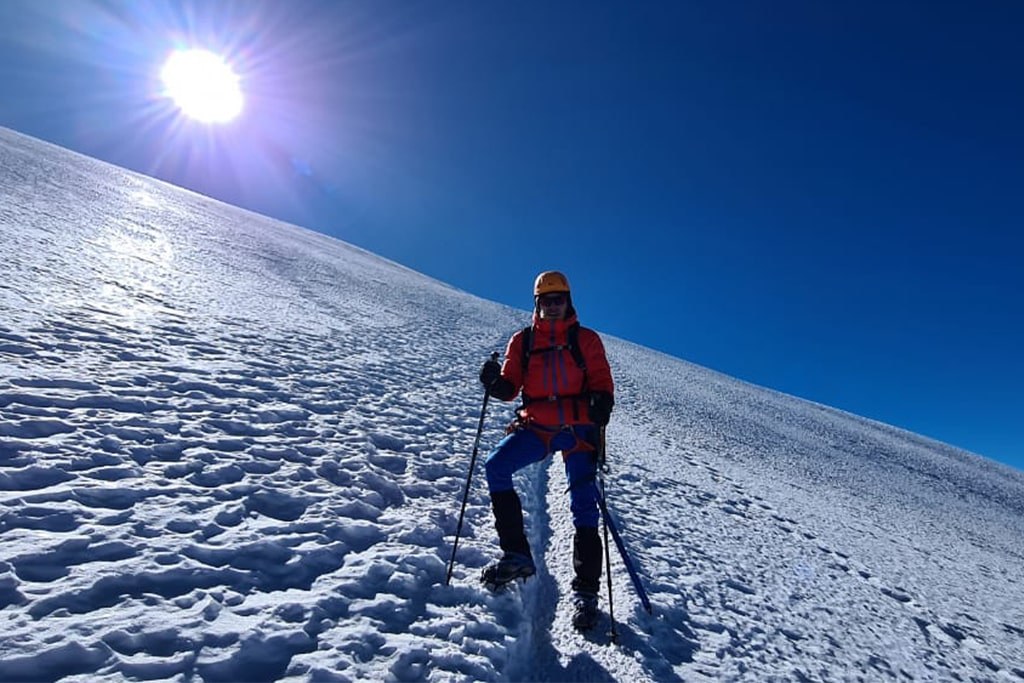
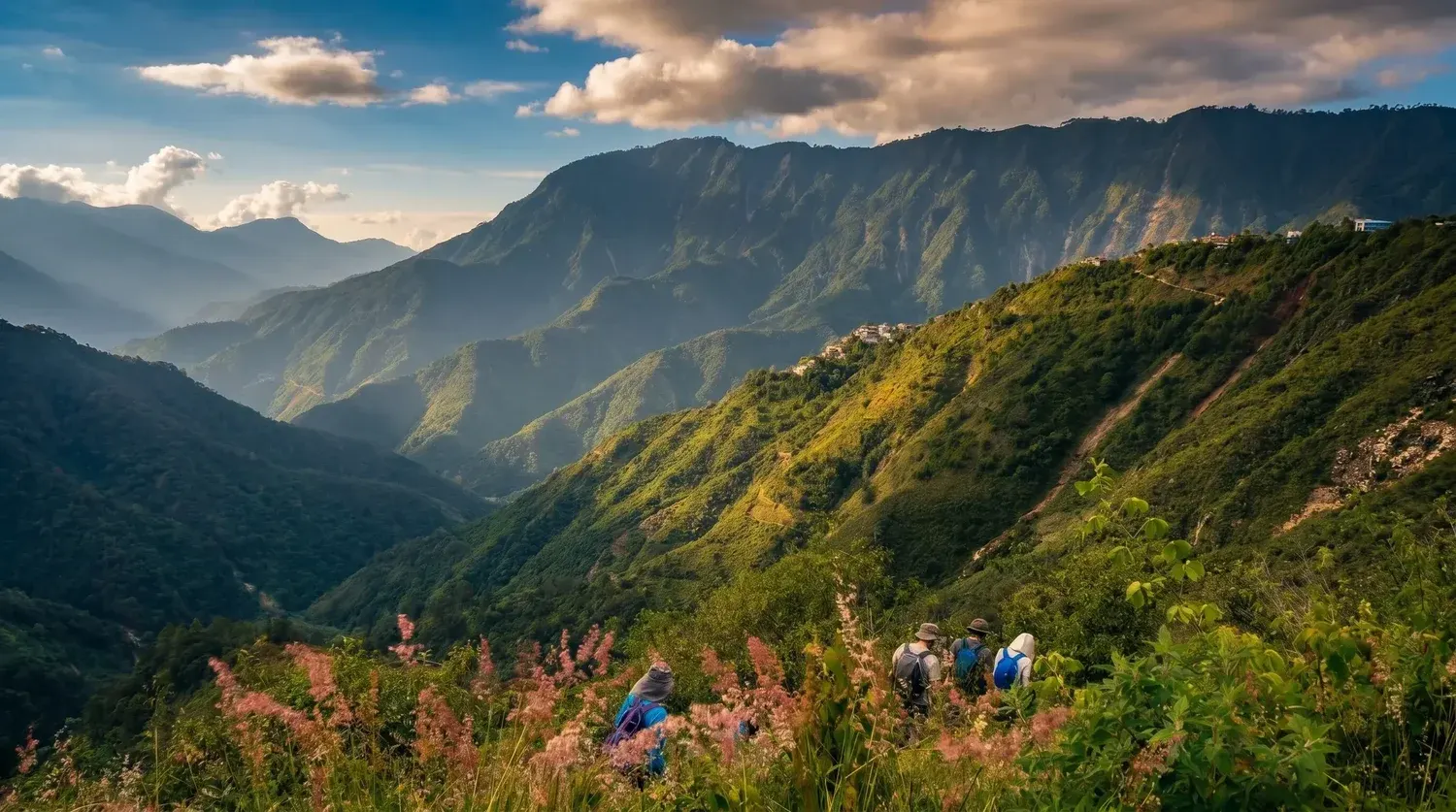
Trekking Mexico is not a single experience. Along Iztaccíhuatl’s ridgeline, the journey follows the form of the “Sleeping Woman”; on Camino Copalita, the story unfolds from high forest toward the Pacific. One invitation centers on a demanding high-mountain objective, the other on a changing landscape shaped by community knowledge. Before choosing either, imagine what you want to remember: the concentration of working toward a summit, or the continuity of moving through a watershed. That distinction is more useful than a ranking of spectacular photographs. It gives your planning a purpose before you begin comparing equipment, schedules, or the demands of a particular itinerary.
Three catalogue trips offer clear starting points. Iztaccíhuatl Summit, in the State of Mexico / Puebla, is described as a demanding high-mountain journey for well-prepared hikers. Pico de Orizaba Summit, in Puebla / Veracruz, is an expedition to Mexico’s highest summit with detailed preparation requirements. Camino Copalita crosses a mountain-to-coast landscape from the Sierra Sur to Huatulco, Oaxaca; its description identifies a six-day journey through the Copalita watershed. These are different ambitions, not interchangeable versions of the same holiday. Ask Backpacking Mexico about each by name, explaining whether your priority is a summit objective, sustained walking, or the experience of following a landscape as it changes.
How hard is the trekking, and which trip fits you?
Difficulty deserves a conversation rather than a label borrowed from another hike. The catalogue gives no standardized difficulty grade or distance for these three trips, so there is no sound basis for calling one easy or assigning a daily mileage. Iztaccíhuatl’s description explicitly emphasizes a demanding journey and well-prepared hikers; Pico de Orizaba’s emphasizes expedition preparation. Camino Copalita’s six-day description establishes the shape of the journey, but not the effort required on any individual day. Ask for the proposed walking stages, ascent and descent, terrain, expected pack load, and any technical requirements. Those answers will tell you more than a generic promise that a trip suits adventurous travelers.
Give the team an equally specific account of yourself. Describe recent hikes, how you felt during them, what you carried, and whether you have walked on consecutive days. Explain any previous altitude experience without treating it as a permanent qualification. If you are traveling with friends, describe the whole group rather than its strongest walker. Ask what preparation Backpacking Mexico recommends for the actual itinerary and what would make the team suggest a different objective. Choosing well is not a test of ambition. It is the work of matching your current experience, available preparation time, and expectations to a journey you can approach with informed commitment.
Choose the journey for the experience you want—not simply for the highest number on the map.
How do you get there and organize the logistics?
Start with the region, then request a precise meeting plan. Iztaccíhuatl Summit is listed in the State of Mexico / Puebla, while Pico de Orizaba Summit is listed in Puebla / Veracruz. These regional descriptions help orient your travel, but they are not departure addresses or transport instructions. Before booking onward travel, ask Backpacking Mexico for the meeting location, the planned finish, and which transfers are included in the proposed arrangement. Also ask what happens to luggage that you do not intend to carry. Do not infer a convenient pickup, a particular road approach, or a same-day return from a mountain’s name or its regional listing.
For Camino Copalita, think about the journey’s two ends. The catalogue describes movement from the Sierra Sur to Huatulco through the Copalita watershed, rather than a walk returning to its starting point. Ask where participants actually assemble and disperse, and whether the six-day journey description includes any connecting travel. Request a written outline covering overnight arrangements, meals, drinking-water arrangements, luggage handling, and responsibilities during transfers. These details are not supplied in the catalogue and should not be assumed. A clear logistical outline lets you distinguish time spent walking from time needed around the walk, without inventing an arrival schedule or squeezing the experience between unconfirmed connections.
What should you bring?
Build your packing list around the confirmed trip, not a universal image of trekking. Ask for Backpacking Mexico’s equipment requirements before buying or renting anything, especially for Iztaccíhuatl Summit and Pico de Orizaba Summit. Separate what you must personally bring from what the operator will supply, and clarify whether any specialist equipment requires prior familiarity. For general walking preparation, discuss footwear you have already used, clothing layers, weather protection, sun protection, a headlamp, and a way to carry drinking water. Treat that list as a conversation starter rather than a complete expedition checklist. The final requirements should match the itinerary and the team’s instructions.
Packing is also a question of responsibility: what remains with you throughout the walking day, and what, if anything, travels separately? For Camino Copalita, request the luggage arrangements rather than assuming that a six-day journey includes baggage transfers. For the summit trips, ask about the expected personal load and how equipment is checked before departure. Practice using your pack with the items you expect to carry, and flag discomfort while there is still time to adjust your choices. Keep personal medication and essential documents in your own planning checklist. Avoid adding equipment merely because it appears on someone else’s mountain photograph; confirm its purpose first.
How should you plan for altitude and acclimatization?
The catalogue lists maximum altitudes of 5,230 meters for Iztaccíhuatl Summit, 5,636 meters for Pico de Orizaba Summit, and 3,750 meters for Camino Copalita. Those figures deserve attention, but they do not reveal where you start walking, where you sleep, or how quickly the itinerary gains elevation. Nor should a listed maximum be read as a promise that every participant will reach it. Ask for the elevation profile of the proposed journey and a clear explanation of how acclimatization is addressed. For the two summit objectives, make this discussion central to planning rather than an item postponed until the equipment briefing or the day of departure.
Discuss your arrival plans, previous responses to altitude, and any health concerns before settling the schedule. Ask Backpacking Mexico what preparation sequence it recommends and how the team decides whether to continue, modify, or stop an objective. The catalogue describes La Malinche Summit, in Tlaxcala / Puebla, as a classic acclimatization peak with a maximum altitude of 4,460 meters, where pine forest gives way to open alpine slopes. That description makes it a topic to ask about, not an automatic prerequisite or a guaranteed solution. Any additional hike needs its own assessment. For personalized medical questions, consult a qualified healthcare professional rather than relying on a packing list or another traveler’s experience.
When is the best season to go?
There is no supported month-by-month recommendation in this catalogue. It does not provide seasonal operating windows for Iztaccíhuatl Summit, Pico de Orizaba Summit, or Camino Copalita, so a universal “best season” would be guesswork. Instead, tell Backpacking Mexico when you could travel and ask which of these experiences it recommends considering for that period. Request an explanation of the conditions relevant to the proposed itinerary, how access is confirmed, and what circumstances could change the plan. Keep the desired experience separate from a fixed summit outcome. The useful answer is not a borrowed weather slogan, but a trip-specific discussion that connects your travel window with a clearly explained proposal.
Frequently asked questions before you book
Can beginners join? The catalogue does not establish beginner suitability for these trips; ask for an assessment based on your experience. How long do the summit journeys take? Their durations are not listed, so request complete itineraries rather than assuming a day trip. How far will you walk? Distances are not supplied for these three routes. Is Camino Copalita only about reaching the coast? Its description emphasizes community knowledge and the changing watershed landscape as well as the Pacific destination. What should you do next? Ask Backpacking Mexico about Iztaccíhuatl Summit, Pico de Orizaba Summit, or Camino Copalita by name, sharing your priorities and constraints. Let a specific conversation turn the search into a considered journey.